
$400 Billion Enters Markets: The AI IPO Flood
We live in unprecedented times. SpaceX has made an investment call at $75 billion, completely dwarfing the combined total of the top three IPOs at present day: Saudi Aramco at

We live in unprecedented times.
SpaceX has made an investment call at $75 billion, completely dwarfing the combined total of the top three IPOs at present day: Saudi Aramco at $25.6 billion in 2019, Alibaba at $21.8bn in 2014; and SoftBank at $21.3 billion in 2018. On Friday, it’s poised to enter the market at a whopping $1.77 trillion.
This also applies to Alphabet, Google’s parent company, offering the largest stock sale in history at $80 billion ahead of the impending AI IPO flood. Berkshire Hathaway will provide $10 billion of that total, one of many players looking to bolster their places in the AI markets while its biggest companies continue their spending sprees.
Where’s the rest of the $400 billion? As undisputed AI giants Anthropic and OpenAI are slated to hit public trading not long after SpaceX, financial experts have estimated their future IPO offerings within the range of $100 billion each, easily setting new records.
With Alphabet’s projected capex spending of up $185 billion this year, it’s no wonder there’s a focus on generating liquidity now. It’s almost certainly in reaction to how Anthropic has confidentially filed for IPO status, followed quickly by OpenAI. As AI’s biggest competitors reach the limits of private funding, it’s possible the only way forward now is allowing public funds in.
It’s not hard to guess why. The Artificial Analysis Intelligence Index rates the world’s biggest LLMs at a range of 55-60, with only Claude’s most powerful model Fable breaking through to 65. As current consumer LLM offerings begin to plateau, it’s clearer now more than ever before that AI faces an infrastructure game to the tune of trillions.
The ‘hallucination’ outputs of yesteryear have been readily stamped out by AI developers. Today, the biggest factors limiting the development of AI in 2026 come down to uncertain gains, data scarcity, and physical limitations.
While agentic AI has begun to trickle into customer service and retail, we are still a ways away from widespread adoption. There’s no question of whether or not an LLM can act as an autonomous agent, but the last barriers to a full commercial product are reliability, trust and security, all traits that make you feel safe giving someone your credit card. Without this last bit of fine-tuning, autonomous AI agents remain an uncertain gain to AI profit margins.
We’re now also reaching the limits of public datasets. One of the insurmountable problems with AI in the present day is that it doesn’t know what it doesn’t know: breaking news, unannounced road diversions, eateries with no listings online. And proprietary high-value datasets are valued higher today than ever before, leading to further ballooning AI training costs.
While the prior two issues reflect the ever-changing state of AI developments, the biggest crisis continues to loom over all of the industry, inescapable year over year: the hyperscale data centre bottleneck. If tech giants today ever needed liquidity in the billions, it’d be to fund the physical construction race providing valuable compute and efficiency in pushing each of their top LLMs as far as they’ll go, faster than anyone else.
This presents an interesting opportunity to the commercial investor who can now choose to back one or all of the strongest competitors, or invest more deeply in shovel-sellers like construction, electrical experts, liquid cooling technologies, scaling solutions, with no doubt as to where the sudden influx of funds will be channeled toward.
The only thing we can count on is further progress and development on even larger scales than ever before. Moves will continue to be made at breakneck speed as the world awaits the answer to the question: will there only be one winner in the AI race?
We live in unprecedented times. SpaceX has made an investment call at $75 billion, completely dwarfing the combined total of the top three IPOs at present day: Saudi Aramco at
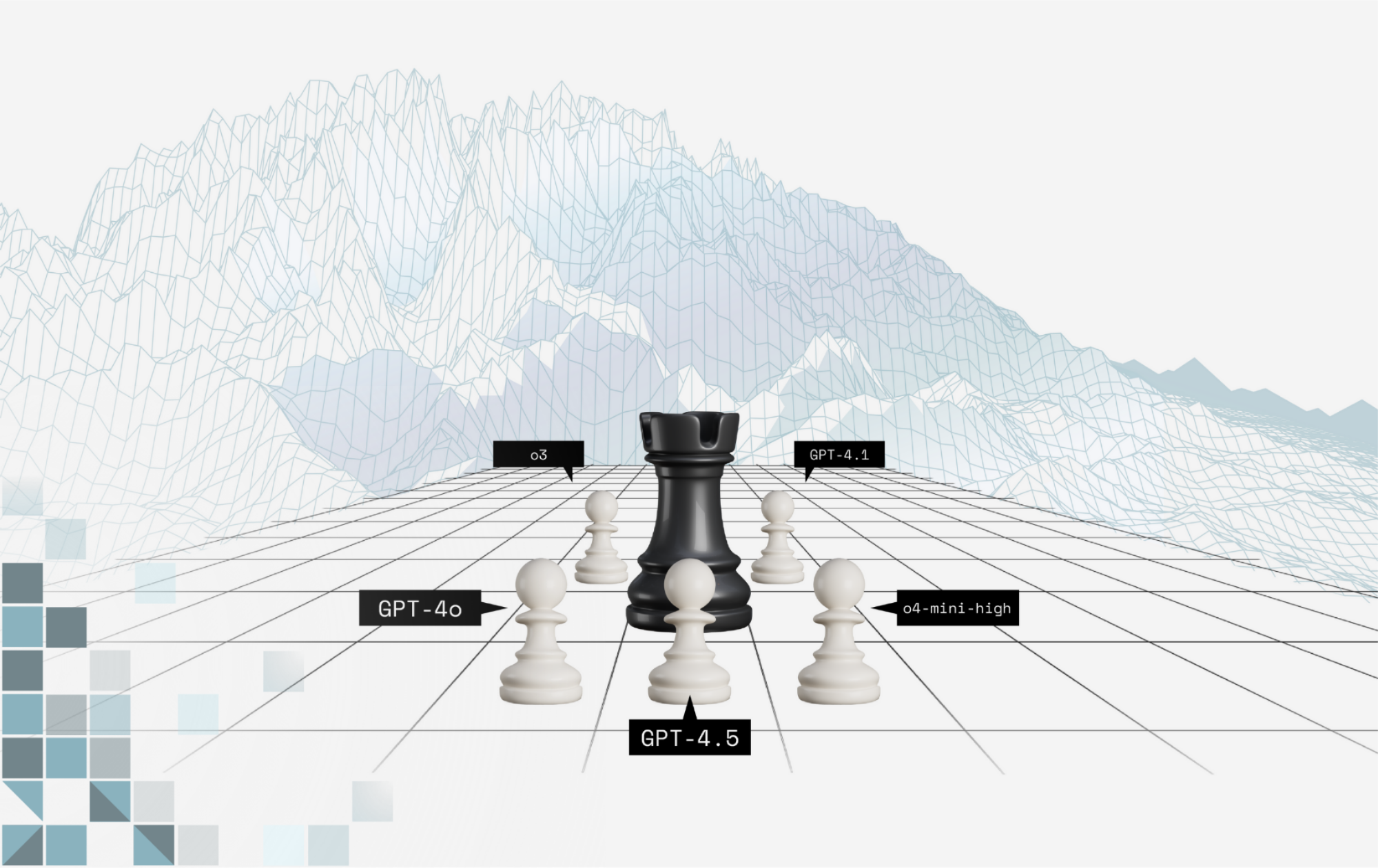
Following the divisive response to the new GPT-5, we take a look at what some of its users are missing with the new rollout. How does the fresh new model
In today’s data-driven world, the importance of a robust and efficient data centre for businesses cannot be overstated. A well-planned data centre is critical for ensuring the seamless operation, security,